The same thing principles apply in my work. As a consultant your job is to fix things, but quite often the thing needing fixed is not what they hired you to fix. Sometimes they will allow you to tell them what really needs to be done, many times not.
However, you can almost never guess at what something needs without investigation. As a consultant, I always hate it when my colleagues want to diagnose something before actually seeing it – which happens quite frequently. It’s a bit of a catch-22, because the client won’t hire you if you don’t know how to fix something, but you don’t know what it’s going to take if you don’t spend time figuring it out.
So what are good prospects for fixing? Most of the time it’s best to stick to things that have 1 or 2 problems – even if the problems are big, then you know the extent of the fix before you start. Usually there are more problems than someone reveals to you – but if you know the item was maintained and working then stopped – it’s very likely that only one or two problems exist.
But here’s the catch 22. If this machine is working, there is a reason somebody is getting rid of it. They’ve most likely either tried to fix it already or had a professional look and they gave them an outrageous quote. You never know what you are getting.
A few examples:
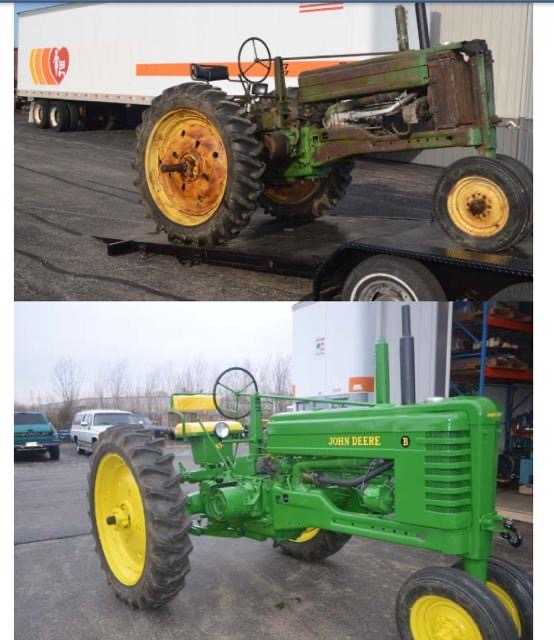
1952 John Deere B Tractor
This tractor belongs to my stepfather. He had owned it for several years and used it extensively around his property – it looked tired, but it had been maintained and ran pretty well. So I knew the history. Something went wrong with the drive axle. I’d never worked on a tractor before, so I brought it to my shop and it turns out one of the bull gear bearings in the rear axle needed replaced. It was a pretty big job, because everything on the tractor is heavy duty, but with a good manual and a little persistence I got it working again. I decided to surprise him and did a complete cosmetic restoration to it. I fixed all the missing sheetmetal, put on new lights and seat, new paint and stickers – it looked like a new tractor and he still enjoys it.
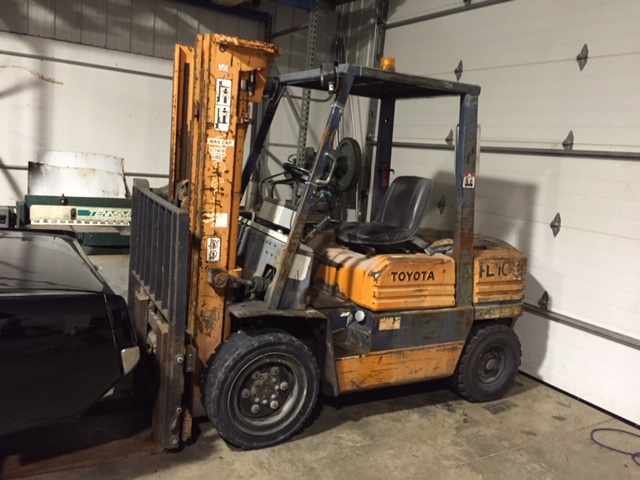
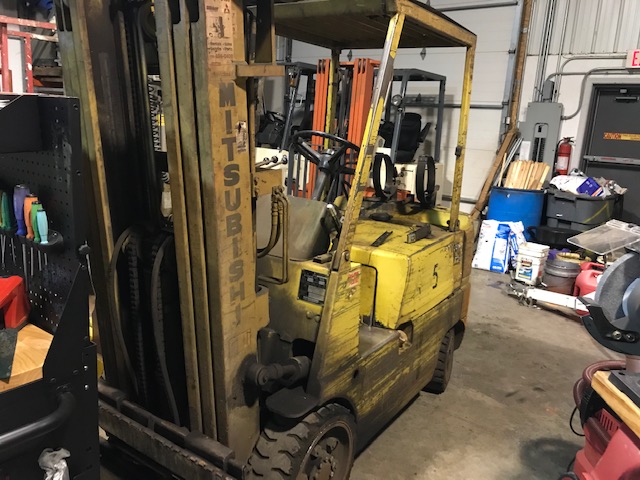
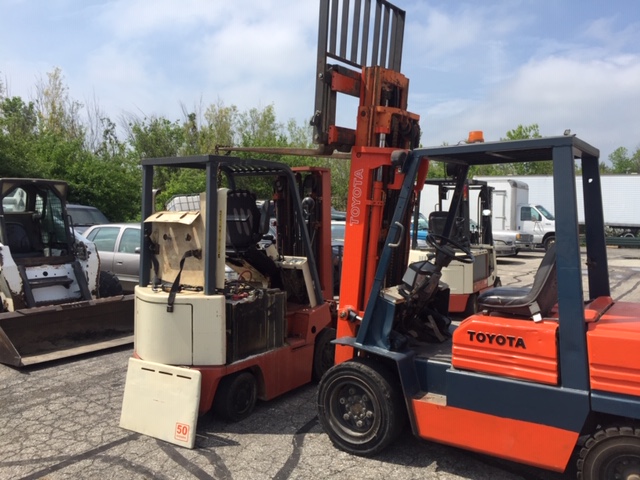
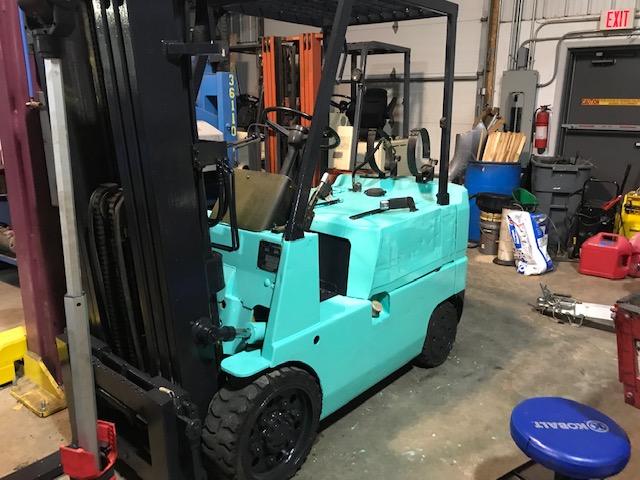
So, here are a couple examples of what not to buy:
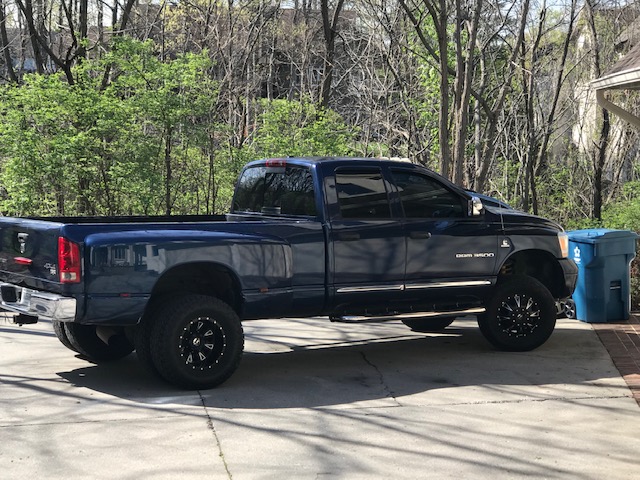
I bought both of these Dodge trucks – 2006 Ram 3500 trucks with a Cummins diesel engine.
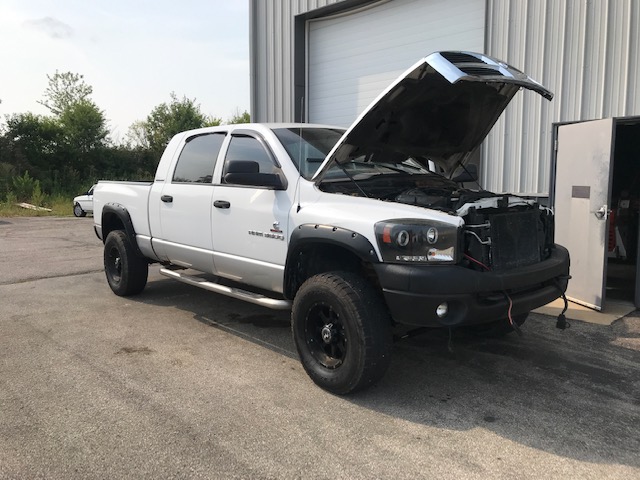
They both look pretty good, don’t they? – but they each had more than a dozen problems needing fixed. In both cases the owners couldn’t afford to maintain them – which is why they sold them cheap. The White one literally took me a couple months to sort out. You can never make back your investment of time in something like that. Sometimes it’s a fine line between the repair shop and the junkyard.
I often look for things that I can part out for more than I paid, just in case I can’t fix the item.
I have many other stories, but my advice when looking for something that needs fixing – look for something that was working prior to breaking down. Something that was maintained. Cosmetics can be fixed – unless it’s something like a car where perfect cosmetics are expected.