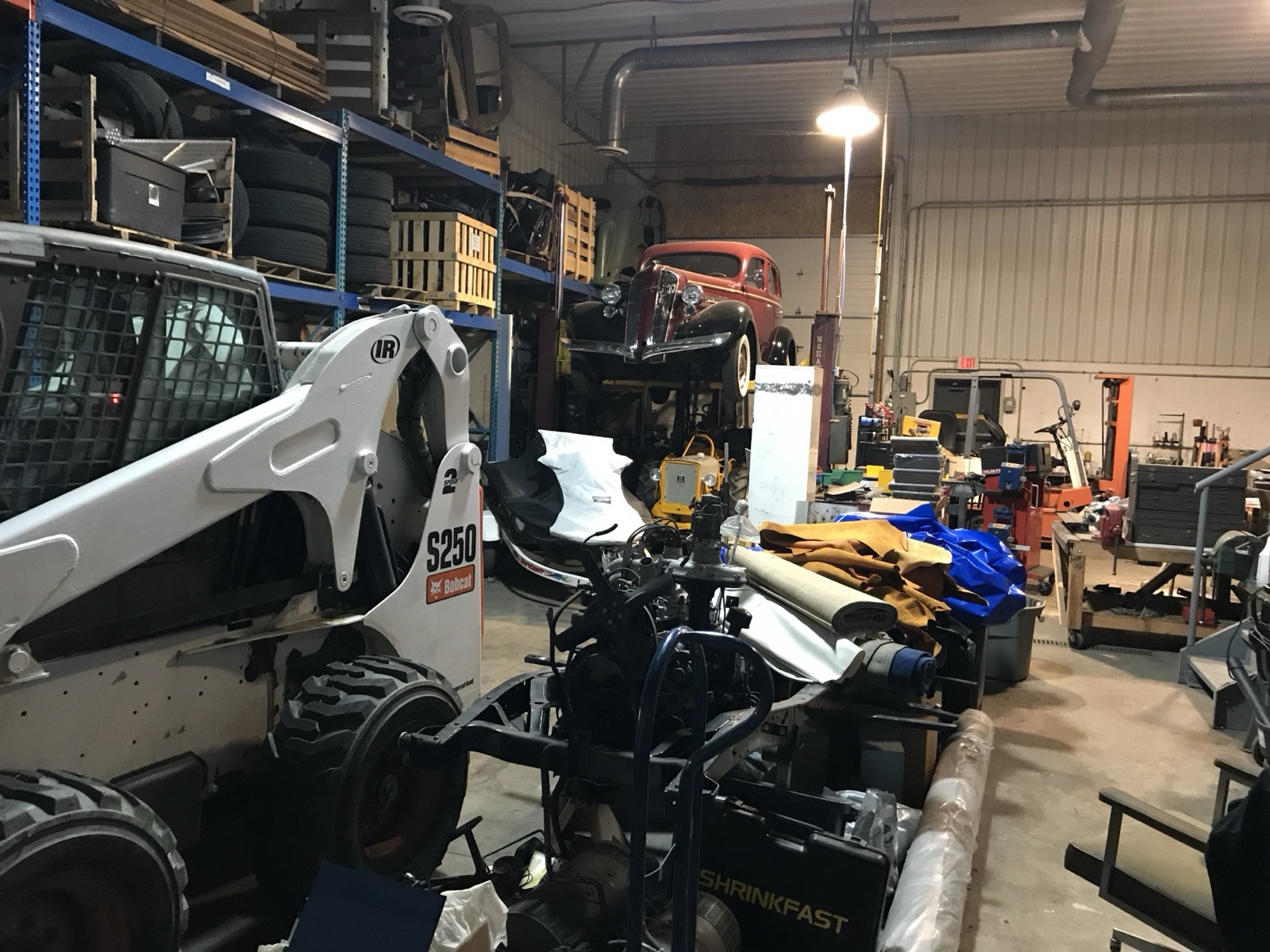
People sometimes ask how I take on the kinds of projects shown on this site. The real answer is the shop.
About fifteen years ago, my projects were getting bigger than my home shop would allow. At the same time, I was dealing with the aftermath of the 1937 Graham restoration fiasco. I got the Graham back in pieces and needed somewhere large enough to put it together again.
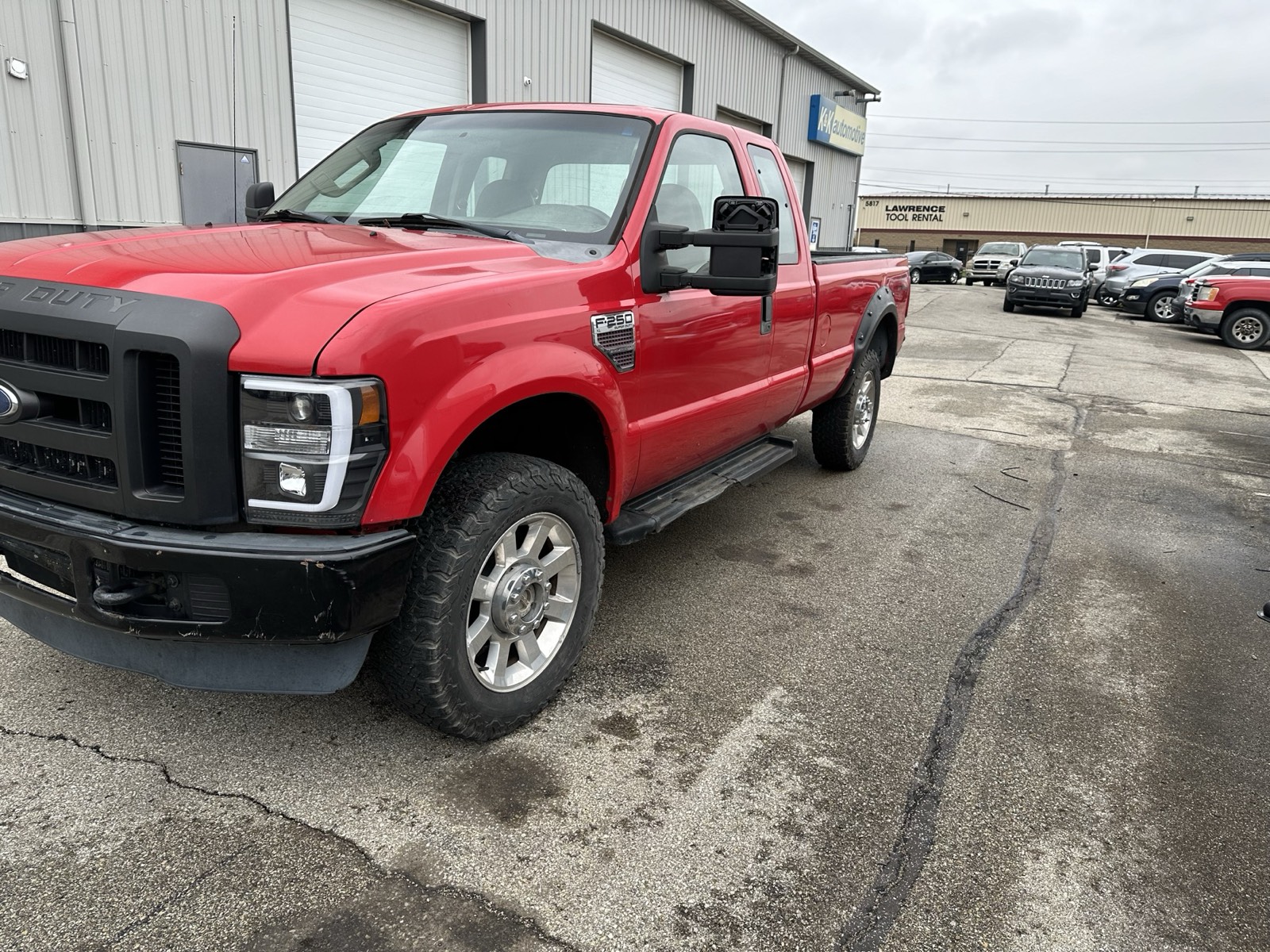
My wife’s cousin’s husband, Ken, owned K&K Automotive about five miles from our house. He had built a building with a couple of rental spaces, and an HVAC contractor in the end unit had stopped paying the rent. The space was 35 by 65 feet. At first I rented half of it, pushed the HVAC equipment into one corner, pulled in the Graham, and started working.
That arrangement did not last forever. The contractor eventually paid his bill and collected his equipment, and I took over the space. What began as somewhere to reassemble one car gradually became the capability behind almost every large project I do.
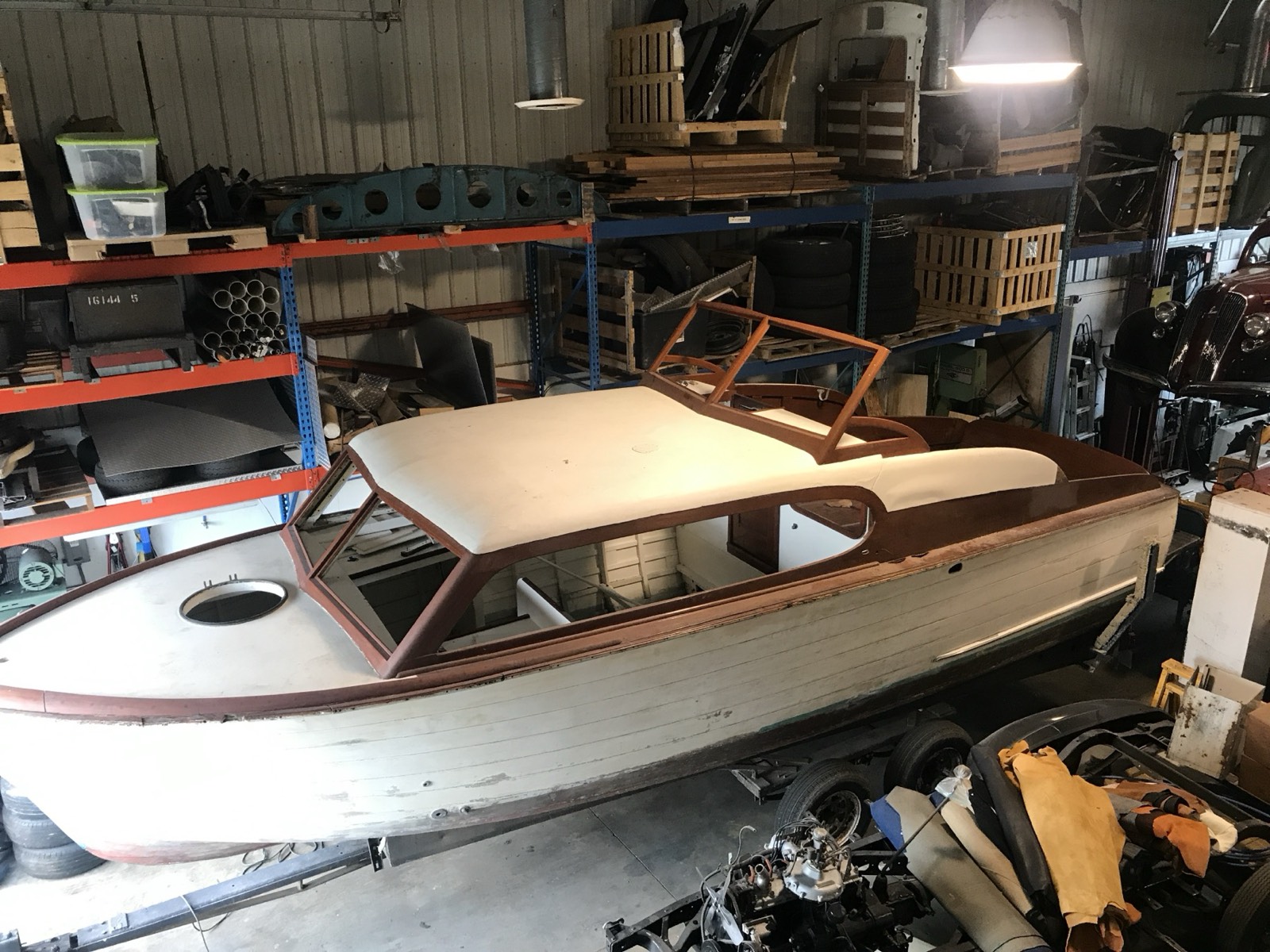
The building does half the work
The shop has large overhead doors at both ends, so a vehicle can drive straight through. The ceiling is 22 feet high. It has outside parking, a security system, and people next door during the week when I am not there.
It also has three-phase power. That turned out to be one of its most valuable features. Most do-it-yourselfers cannot run three-phase industrial machinery, which means excellent used equipment is often available very cheaply. Instead of buying light-duty consumer machines, I could buy equipment that had spent its first life in a factory or commercial shop.
K&K Automotive is connected to the space, too. When a project needs more hands, I can hire mechanics from next door on weekends when they want to earn some extra money. The combination of access, power, security, parking, and experienced help makes the building unusually well suited to the kind of work I do.
Moving and storing heavy things
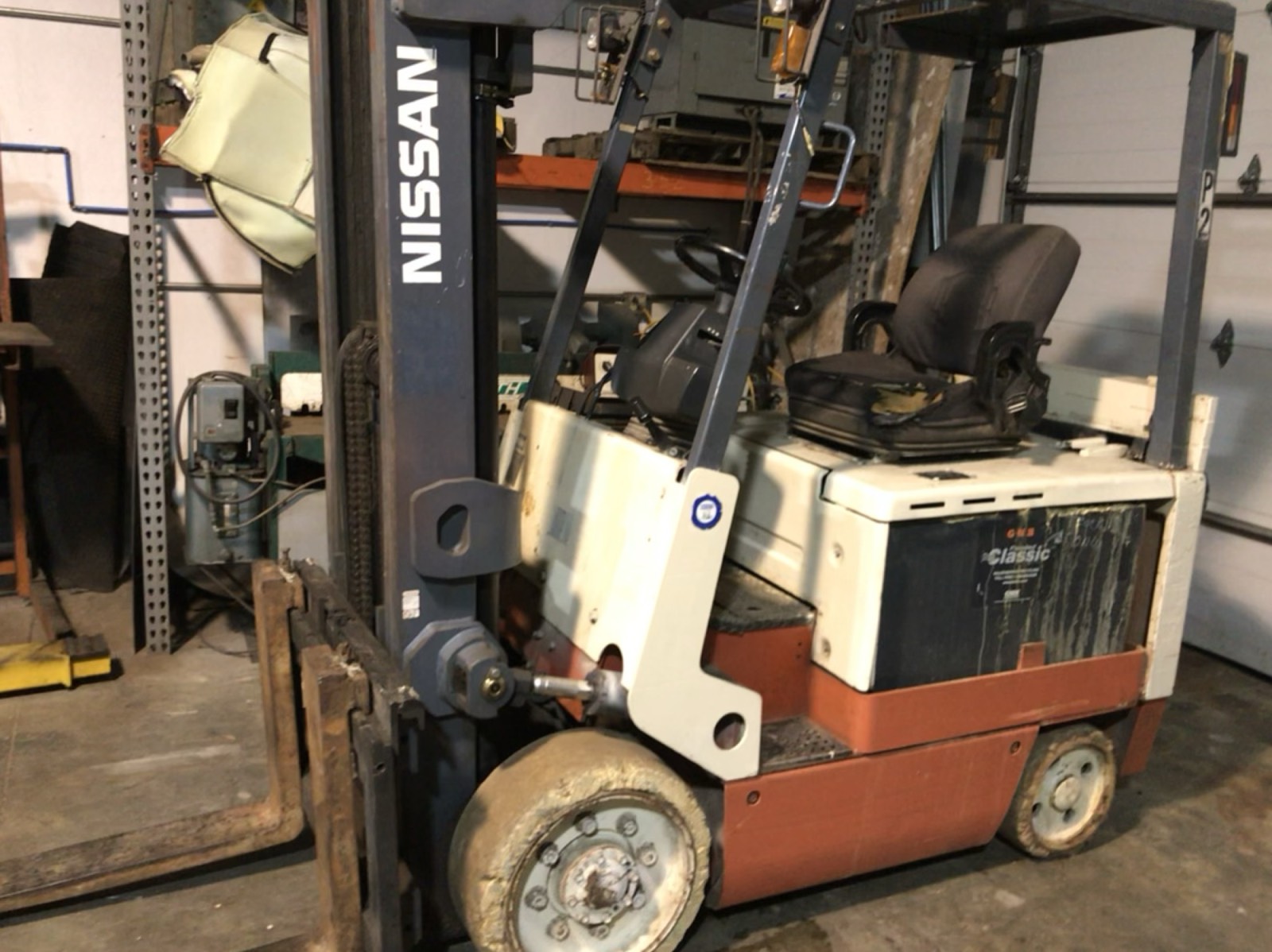
The HVAC contractor had left a forklift in the space, and using it taught me very quickly how useful one could be. When he took it away, I bought an older 2,000-pound Clark forklift. Later I found a 6,000-pound Nissan electric forklift. That Nissan has become one of the shop’s true workhorses. It has moved cars, trucks, machinery, and just about everything else that has come through the doors.
With a 22-foot ceiling, it made no sense to store everything on the floor. I began buying pallet racking and building upward. The forklift and racking work as a system: projects and material can stay in the shop without consuming every square foot of working space.
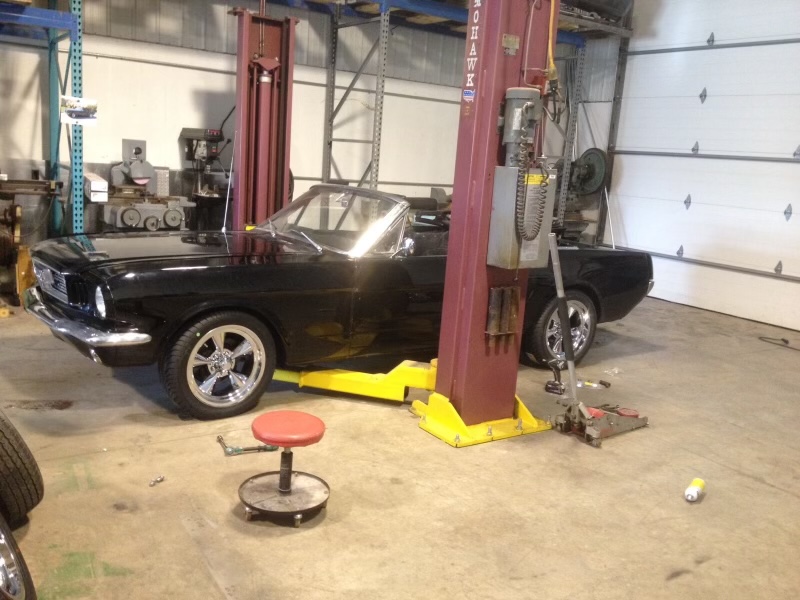
I eventually traded the Clark for a 12,000-pound Mohawk two-post vehicle lift. It will lift cars or large trucks, and it has been dead reliable.
Building capability, one machine at a time
Once I had the space, I began outfitting it for the work I wanted to do. I added MIG and TIG welders, plasma cutters, and a large air compressor bought at a school auction. Then came the machine tools: a Bridgeport mill, a 1944 Milwaukee 2H horizontal mill, a Monarch 10EE lathe, and an ironworker for cutting and bending metal.
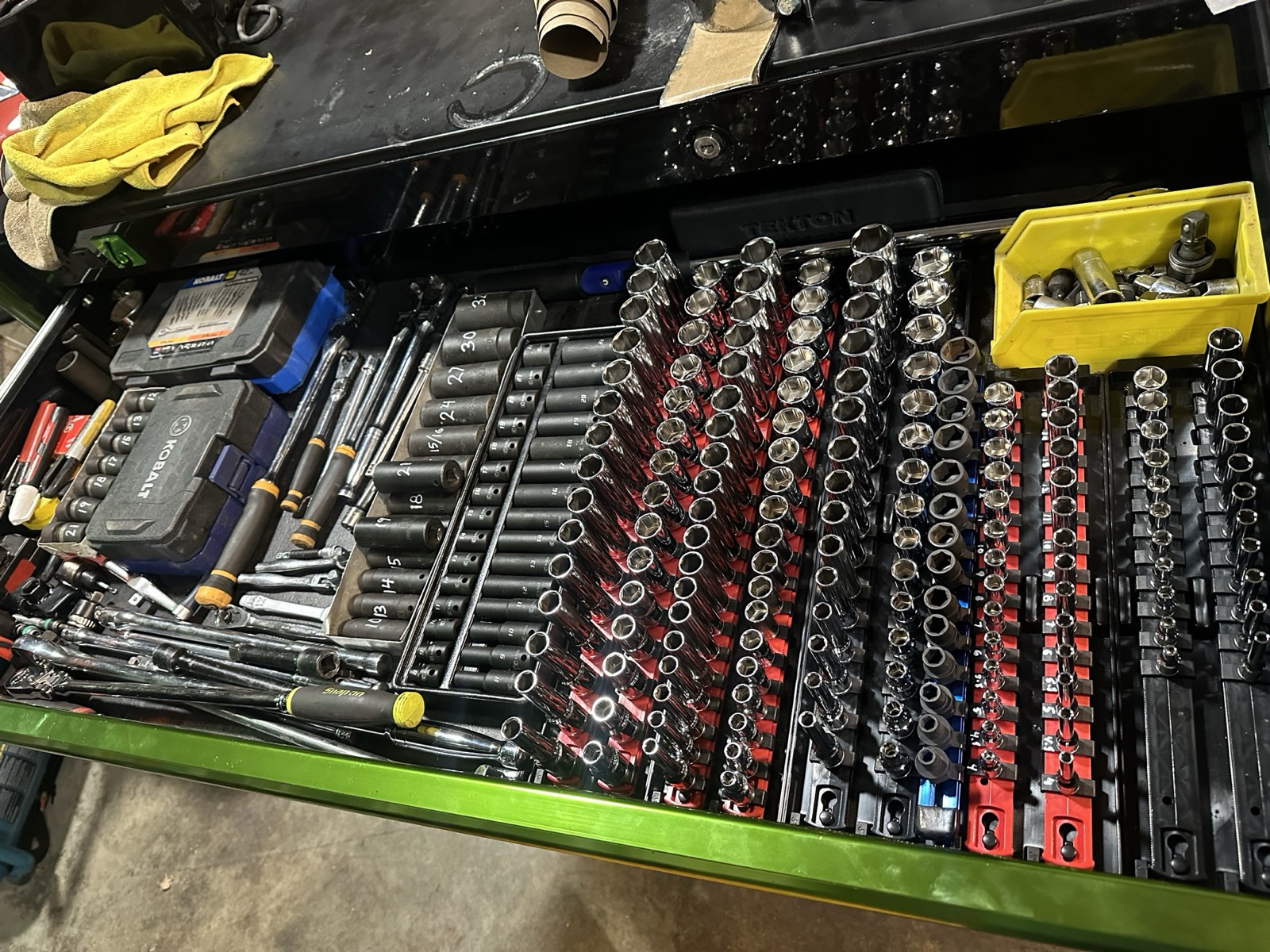
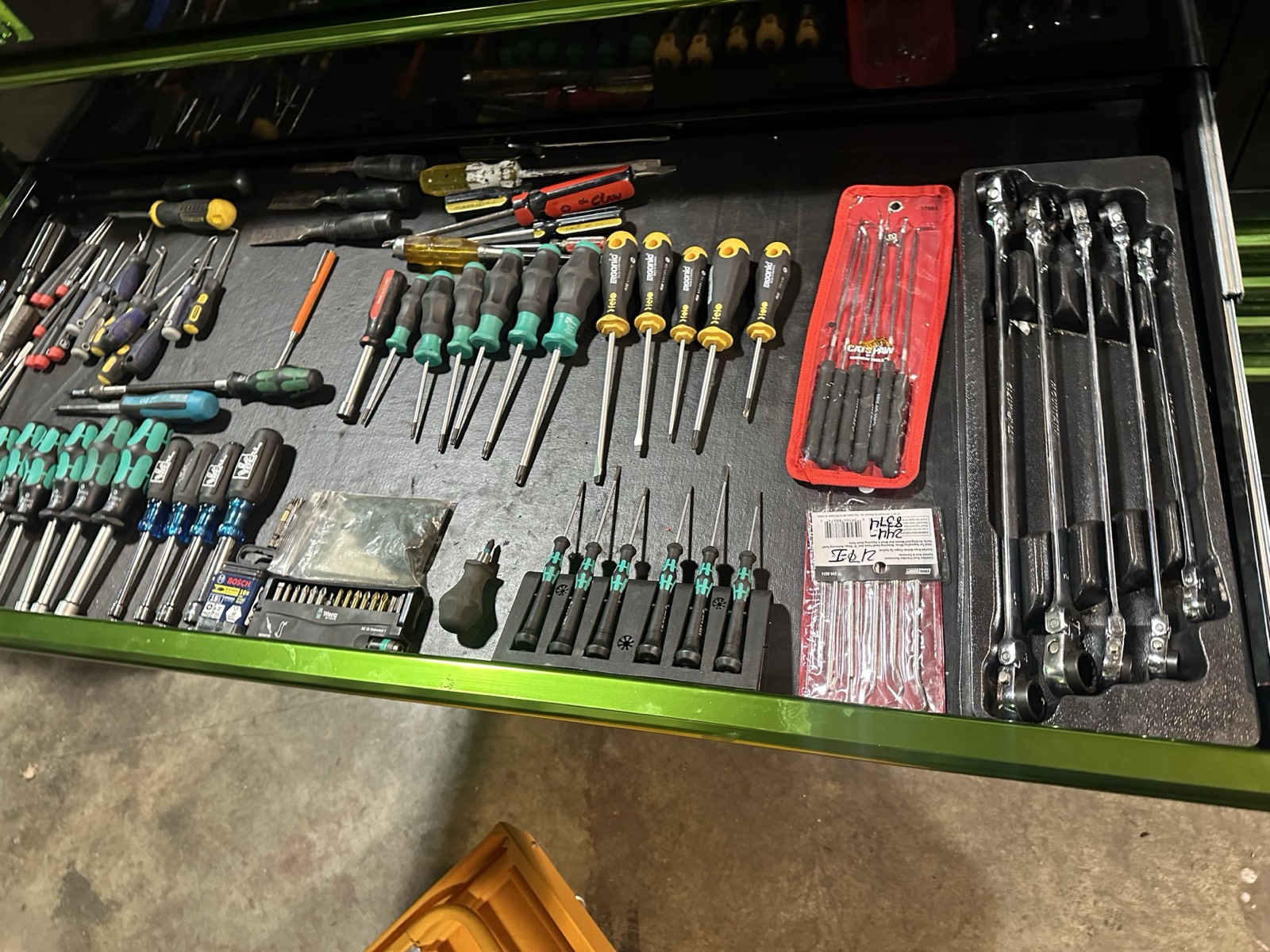
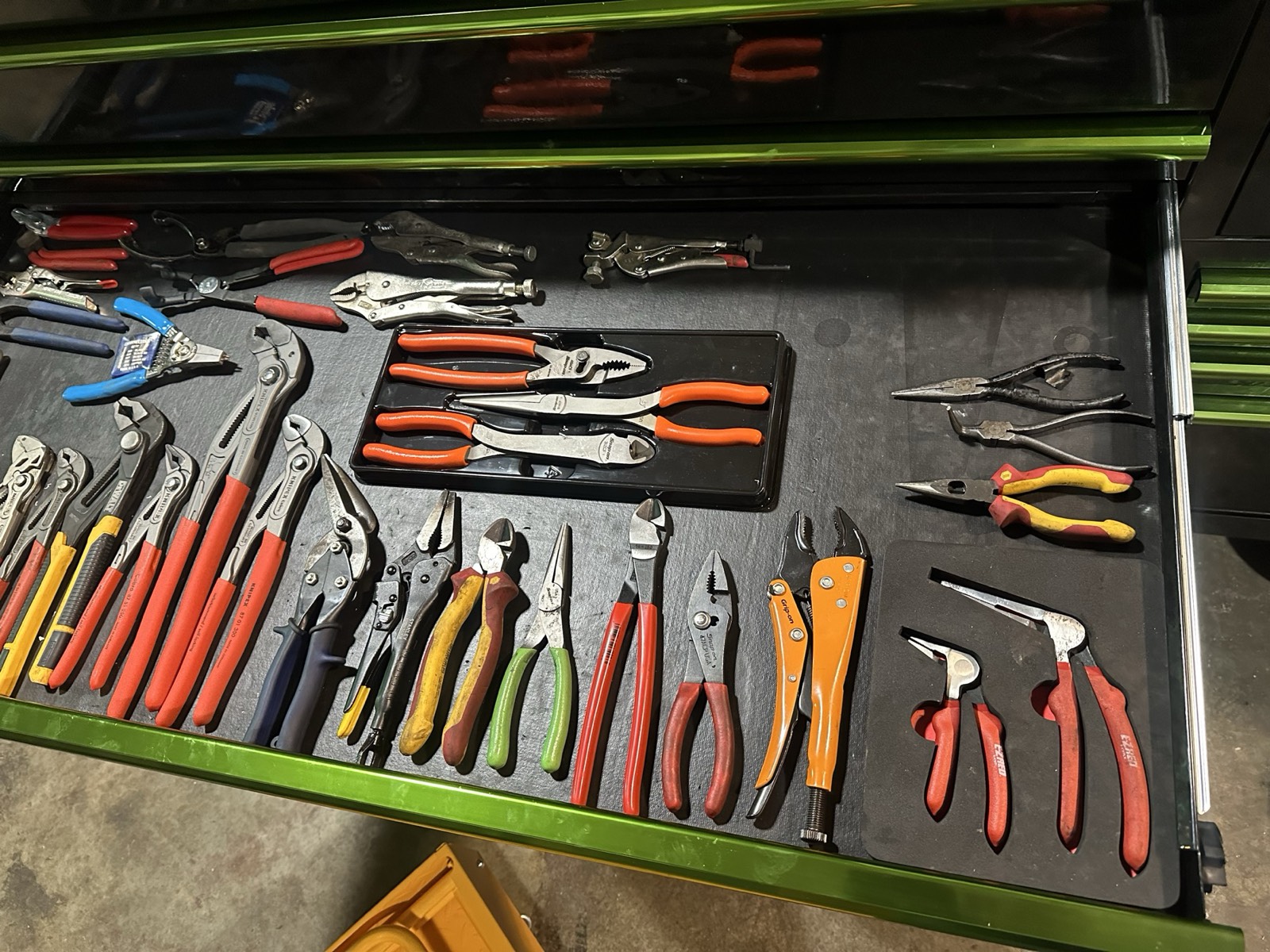
There are bandsaws, shears, grinders, painting equipment, and even industrial sewing machines. I have a wide assortment of hand tools and professional toolboxes, with a place for the tools I use repeatedly.
None of that equipment is there just to make an impressive list. Each machine removes a limitation. If a part is not available, I may be able to make it. If something is too heavy to move by hand, I can lift it. If a vehicle has to stay apart for months, I can store its pieces without losing the entire shop. The space makes larger, stranger, and longer projects practical.
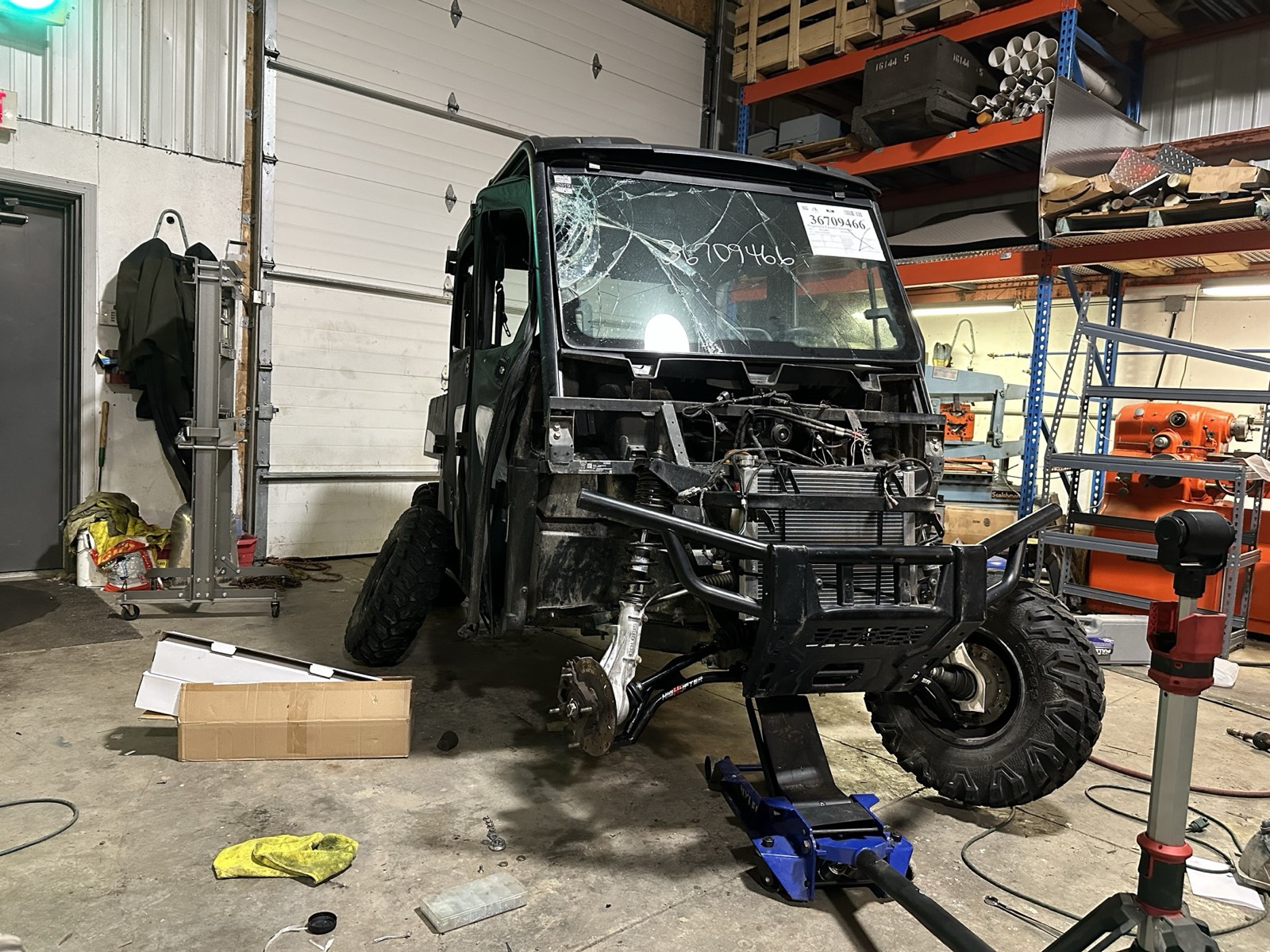
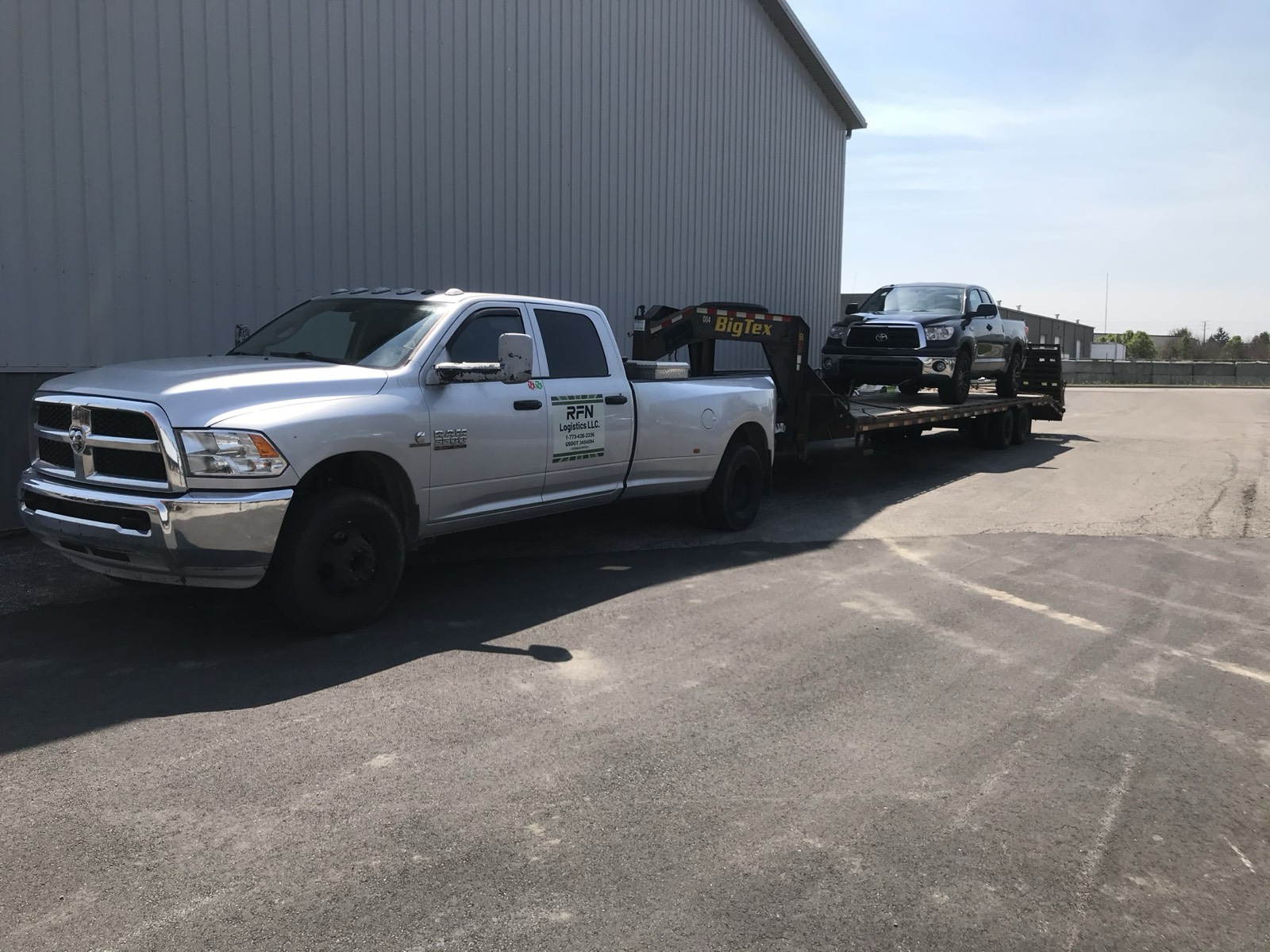
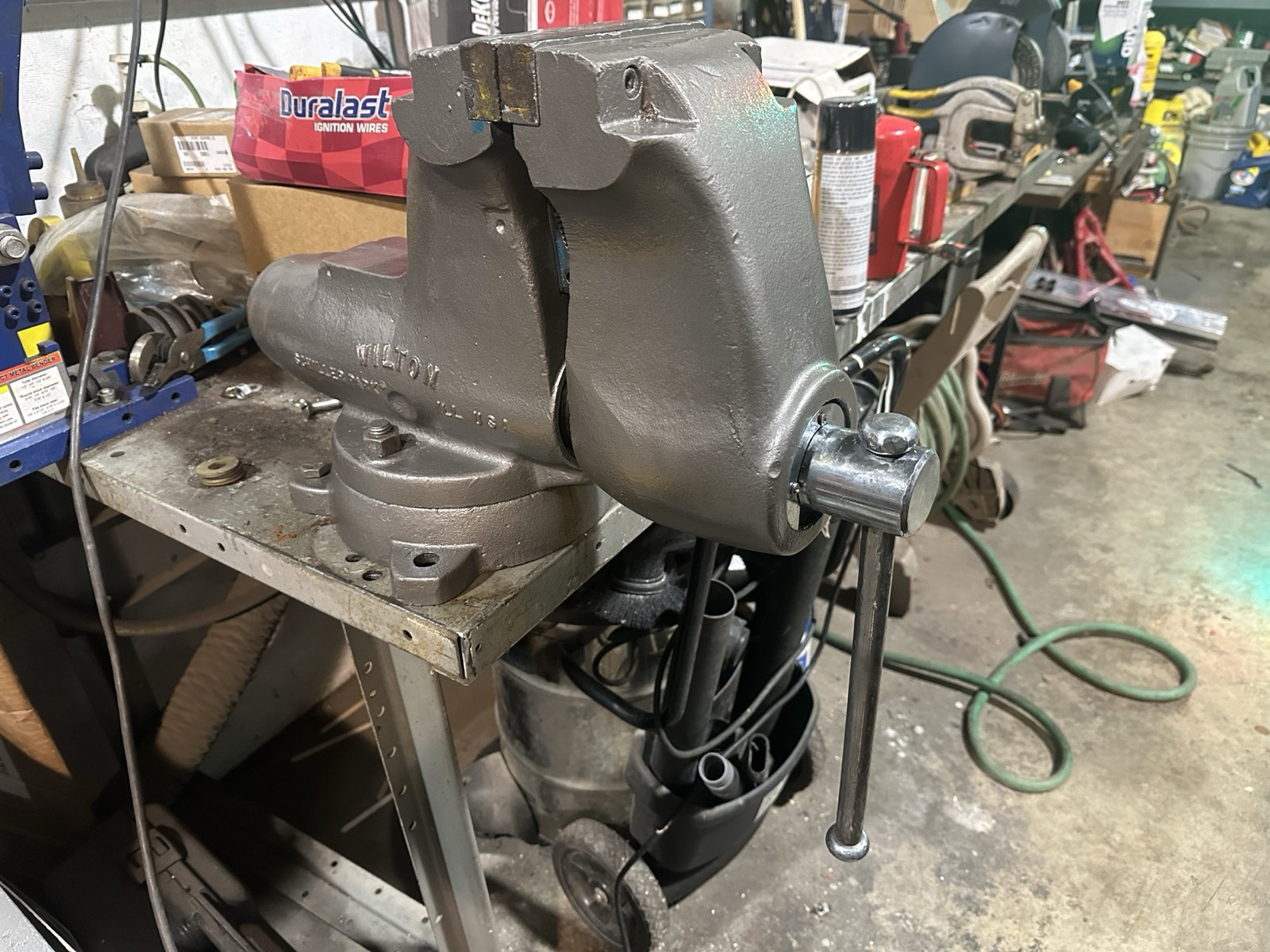
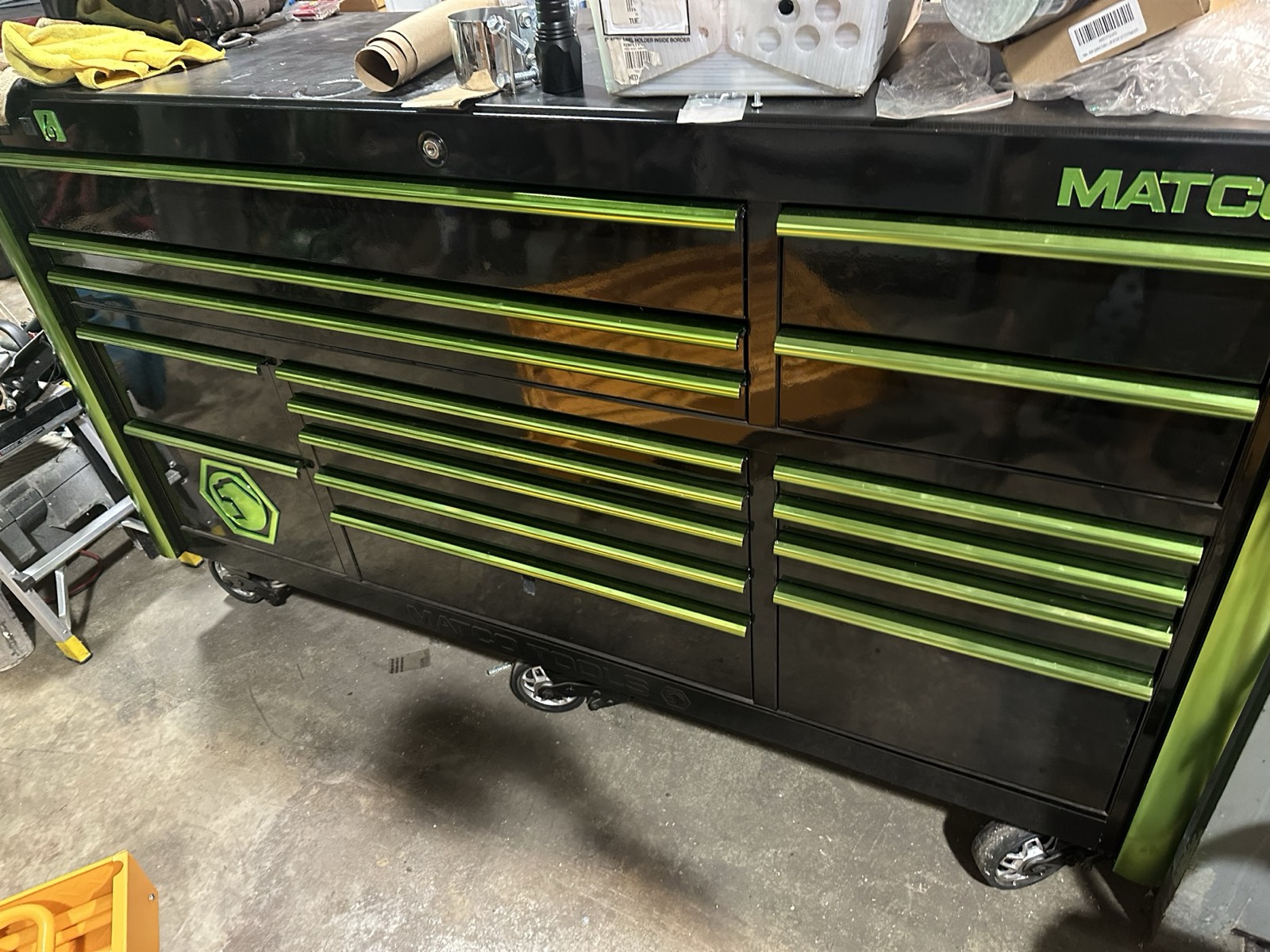
The large machines expand what is possible, but most work still comes down to having the right hand tool where it belongs. I bought a Matco professional toolbox large enough to organize the tools I use repeatedly instead of wasting time searching for them.
Waiting for the next phase
Lately the shop has been waiting for me to retire. In the meantime it has accumulated more and more stuff. I need to clean it out, move some things along, and probably get rid of a few things.
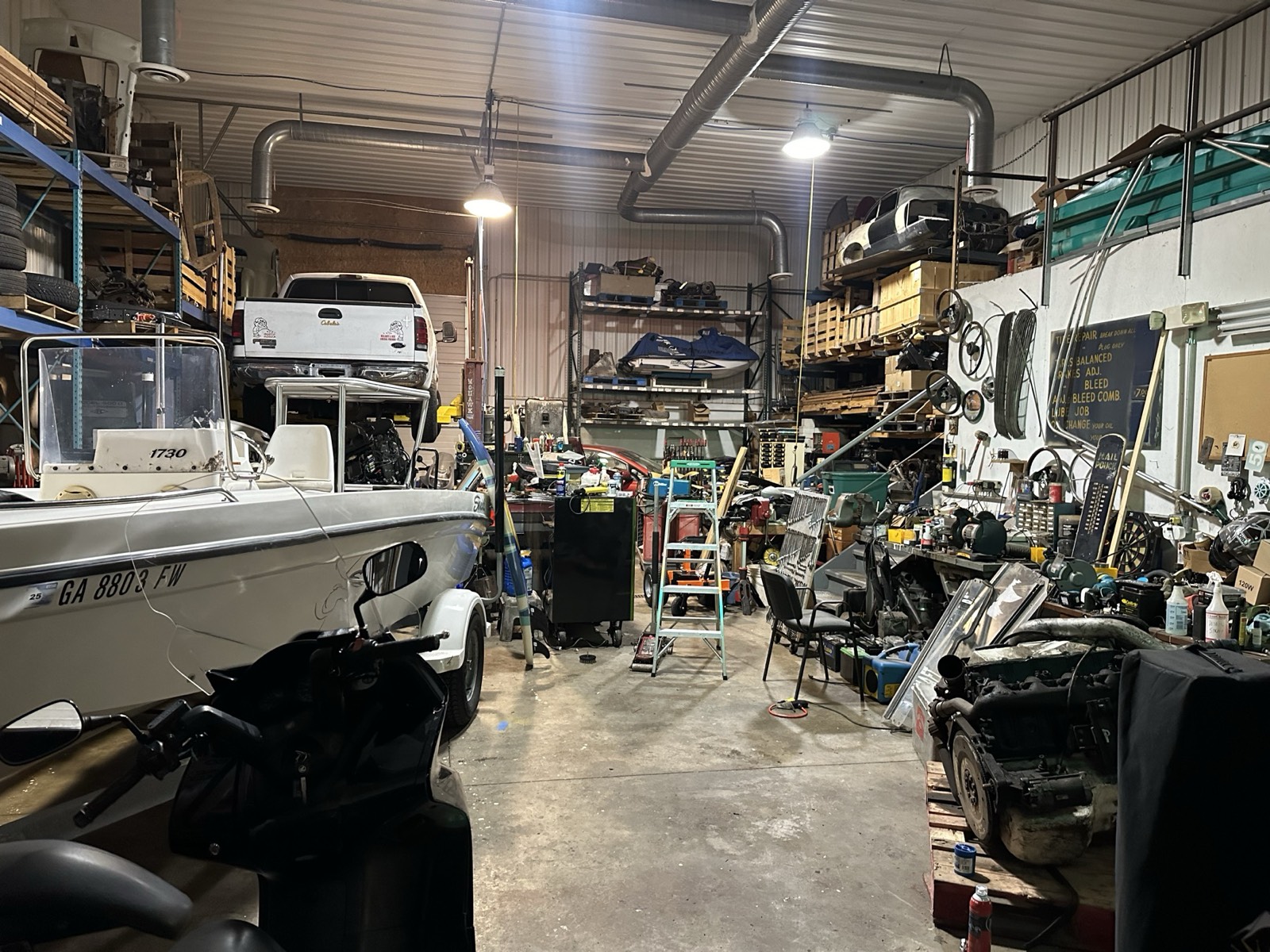
There are also several projects waiting for me. Once I have more time, I am sure I will take full advantage of the place again.
I am fortunate to have it. The shop is not simply where I keep the tools or park unfinished vehicles. It is a tool in its own right—one assembled over years from space, power, machinery, storage, and people. It is what lets me do the projects you see here.